Stop Comparing Software Features. Ask If an Agent Can Actually Run It.
Lorem ipsum dolor sit amet, consectetur adipiscing elit. Donec rhoncus neque sed nibh sagittis, fringilla porttitor ipsum tristique. Nulla interdum ex et nisi vehicula, id laoreet nisl ultricies. Phasellus vitae magna ac lacus dictum tincidunt. Sed iaculis metus nec viverra pulvinar. Etiam id nisi eu turpis mattis imperdiet ac ac tortor. Aliquam at ipsum dui. Etiam pharetra consequat massa. Aenean nec lectus sit amet metus pharetra dapibus. Pellentesque interdum ex eget nisi fringilla, id semper erat rhoncus. Suspendisse lectus leo, malesuada pharetra commodo a, sollicitudin eu erat. Nullam justo nisl, tincidunt vel auctor id, luctus a tellus.
Aliquam convallis condimentum volutpat
Pellentesque sollicitudin mauris sit amet enim volutpat, at faucibus sem laoreet. Morbi egestas ex non orci interdum, ut elementum orci faucibus. Maecenas et sem convallis erat dignissim facilisis. Quisque purus sapien, pellentesque euismod varius id, fermentum nec nibh. Integer commodo dignissim ipsum, ac accumsan metus fringilla sit amet. Aenean aliquam sem finibus tempor venenatis. Aliquam ac facilisis turpis, eu posuere ipsum.

In nisi dui, ultricies sit amet gravida vel, ullamcorper vel mauris. Aliquam nec sapien odio. Sed vitae suscipit felis. Nullam semper blandit lectus, eu finibus urna fermentum et. Aliquam vehicula ligula nibh, non efficitur massa iaculis et. Vestibulum vitae euismod odio, non maximus nulla. Sed viverra porta enim ac interdum. Maecenas auctor tristique auctor. Nullam et neque nec tortor malesuada ullamcorper. Pellentesque ac fringilla ante, non convallis est. Proin velit augue, rutrum vitae ipsum vel, malesuada dictum urna. Nunc vulputate sit amet odio vitae ullamcorper. Nullam suscipit ornare eros, et viverra sapien hendrerit quis. Donec odio eros, ultricies a risus quis, efficitur elementum turpis. Etiam interdum diam quis turpis ultricies.
Sed euismod quam vestibulum
Sed non sapien eros. Duis fringilla fringilla lectus sit amet aliquam. Aliquam erat volutpat. Vivamus molestie, felis rutrum luctus pulvinar, libero metus eleifend mauris, semper malesuada ante eros vitae eros. Phasellus vitae dolor faucibus, laoreet lectus quis, placerat nisi. Nam ornare nulla id est aliquet, quis fringilla neque congue. Duis facilisis sed massa vel bibendum. Curabitur sollicitudin tristique commodo. Vivamus facilisis venenatis nibh. Integer placerat elementum felis, id consequat lorem consectetur a. Duis laoreet sit amet nisl in eleifend. Interdum et malesuada fames ac ante ipsum primis in faucibus.
Proin eros lacus, pellentesque sed vehicula a, luctus non nibh. Nulla diam sem, posuere ac odio varius, ultrices tristique nibh. Morbi dictum scelerisque convallis. Praesent faucibus lorem lacus, id luctus justo feugiat et. Curabitur eget tellus non nisi interdum blandit. Maecenas pulvinar est sed ex elementum, ac commodo diam bibendum. Nulla auctor dolor felis, sit amet euismod ante eleifend non. Donec id neque magna.
There are roughly ten thousand blog posts comparing Xero and QuickBooks, and every one of them is asking a question that stopped mattering. Which has better invoicing, whose dashboard is prettier, how many integrations each claims on a slide. We've all read that listicle a hundred times and it tells you almost nothing about whether the software will actually serve you two years from now. So I want to make the case for throwing the whole feature-comparison frame out, because the way we pick accounting software is about to change completely, and most people haven't noticed yet.
Here's the shift: for thirty years we chose software based on what a human could do with it. The buttons, the screens, the workflows a person clicks through. But the human is quietly stopping being the primary operator. More and more of the actual work - pulling the support, reconciling the accounts, moving data between systems - is going to be done by AI agents acting on your behalf. And once that's true, the entire basis for comparing tools flips.
The only question that actually matters now
Can an agent drive it?
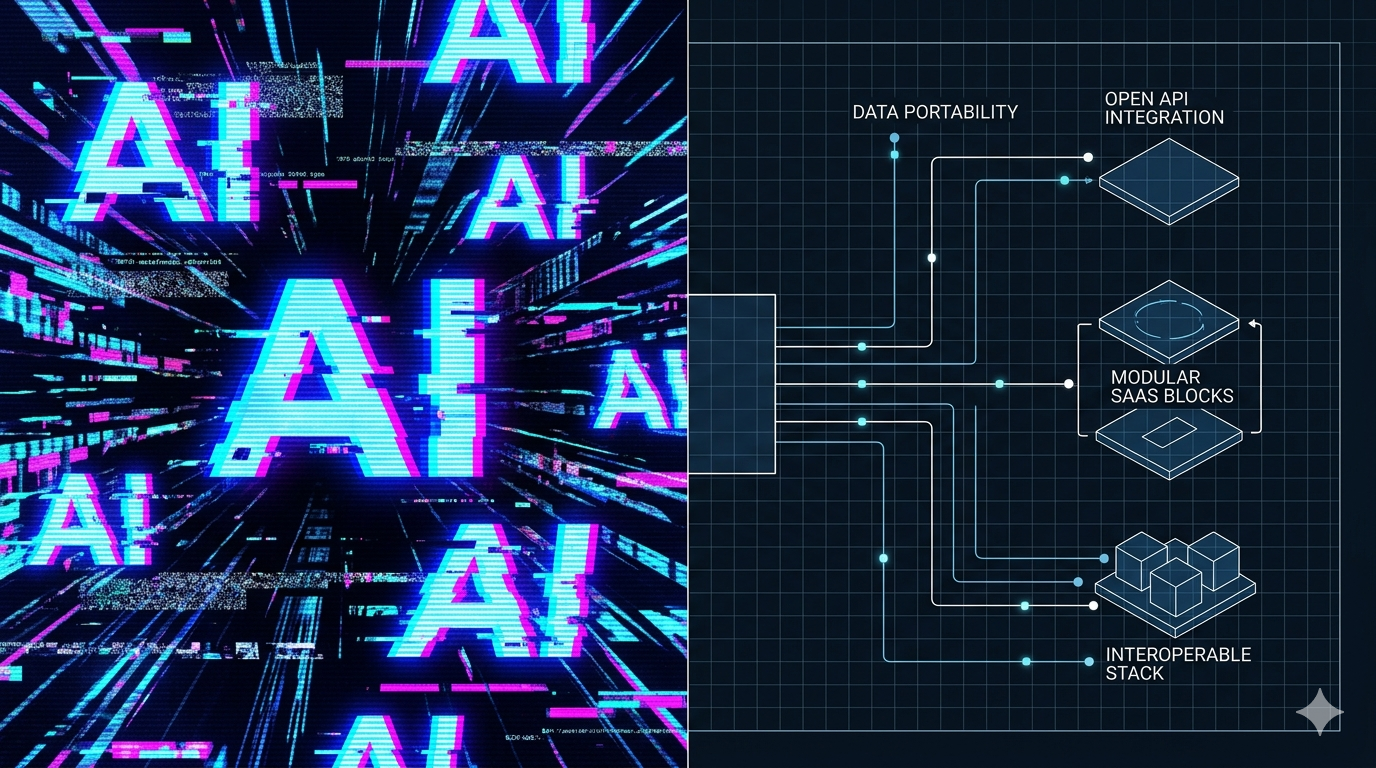
That's it. That's the whole test. Not how many features it has, not how slick the UI is - whether an AI agent can actually operate the thing without a human babysitting every click. A tool with half the features but a clean, open, programmable interface is now worth more than a bloated suite with a beautiful dashboard and a walled garden, because the bloated suite is a dead end the moment you want to automate around it.
This isn't speculative hand-waving either. The plumbing is already here. In late 2024 Anthropic introduced the Model Context Protocol, an open standard for connecting AI assistants to the systems where data actually lives - business tools, data repositories, the works. Think of it like a USB-C port for AI: a standard way for an agent to plug into a tool and operate it. Other major AI players moved to adopt it through 2025. The standard for agents running your software isn't coming, it shipped.
What 'agent-operable' actually means
So if you're evaluating a tool through this lens, here's what you're actually looking for. Three things, and none of them show up on the usual comparison grid.
Is it API-first? Can everything you do in the UI also be done programmatically? If the answer is "most things, through a clunky export" - that's a no. An agent needs to reach the whole tool, not the demo version of it.
Is it composable? Does it play nice with the rest of your stack, or does it want to be the whole stack? The walled-garden suite that does everything badly loses to the focused tool that does one thing well and connects cleanly to the next one. Composability is the new "all-in-one."
Is it headless-capable? Can the logic run without the front end - can a process execute without a person sitting in the screen driving it? This is where the phrase "headless" comes from, and it's where the whole industry is heading. The front end becomes one of many ways to use the tool, not the only way.
Notice what's gone from that list: features. Not because features don't matter, but because a genuinely agent-operable tool lets you bolt on whatever capability you're missing. A closed tool with every feature built in can't be extended at all. Open and composable beats complete and closed, every time, in the world we're walking into.
Why the old way is actively dangerous now
Picking software on features alone was always a little lazy, but now it's a real risk. If you buy the feature-richest suite today and it turns out an agent can't operate it - closed API, no programmatic access, everything trapped behind a human-only UI - you've bought yourself a migration project in eighteen months. You didn't buy software, you bought a cage with a nice paint job. And ripping out a core accounting system is one of the most painful things a finance team can do, so this is not a small mistake to get wrong.
The teams that are going to pull ahead are the ones building agility into the stack now - choosing tools an agent can actually run, keeping things composable, not locking themselves into a suite that can't be automated around. That's the move. Maintain your data compliance and your controls, obviously, but within those guardrails, optimize for operability, not feature count.
How to actually evaluate a tool this way
Next time you're looking at accounting or finance software, run it through three quick gut checks before you ever open the feature comparison. Does it have a real, documented API that covers what the UI covers? Does it connect cleanly to the other tools you already run, or does it fight them? And could you imagine an agent completing a real task in it end to end without a human clicking through every step? If a tool fails those, the feature list doesn't matter - you're buying tomorrow's migration.
This is also exactly why we built our software directory the way we did. When you're choosing tools, you want to see how they actually fit together and where they sit in a modern stack, not just a wall of feature checkboxes. Browse it through this lens - the Audit Friendly software directory - and ask the operability question first.
Frequently asked questions
Are software feature comparisons still useful?
Less than they used to be. Features still matter at the margin, but the bigger question in the agent era is whether an AI agent can actually operate the tool - via a real API, clean integrations, and headless-capable logic. A feature-rich tool an agent can't drive is a future migration project.
What does it mean for accounting software to be 'agent-operable'?
It means an AI agent can perform real work in the tool without a human clicking through the interface. In practice that requires three things: an API that covers what the UI does, composability with the rest of your stack, and the ability to run processes without the front end (headless).
What is the Model Context Protocol and why does it matter for software choices?
The Model Context Protocol (MCP) is an open standard introduced by Anthropic in November 2024 for connecting AI assistants to the systems where data lives - business tools and data sources. It matters because it's a concrete sign that agents operating your software is now a real standard, not a future maybe.
Should I avoid all-in-one accounting suites?
Not automatically, but scrutinize them. The risk with an all-in-one suite is the walled garden - if it can't be operated programmatically or extended, you lose the ability to automate around it. A composable set of focused tools that connect cleanly often ages far better than a closed suite.
How do I evaluate whether software is future-proof?
Ask three questions before the feature comparison: Is it API-first (everything in the UI doable programmatically)? Is it composable (connects cleanly to other tools)? Is it headless-capable (logic runs without the front end)? If yes to all three, an agent can operate it - which is the real test of future-proofing.
We organize the accounting and finance software landscape so you can see how tools actually fit a modern, automatable stack. Explore it on the Audit Friendly software directory.